3°
From The Ground
As we reach the end of the issue, it begs the question of what should we do? This chapter dives into a mutualistic example from nature's underground society - providing how they have lived mutually amongs each other for centuries. A lesson from nature for us.
MYCL: Mycelium Memories and Their
Continuous Strive for Collaboration
Words BY ANGELINE MULIA

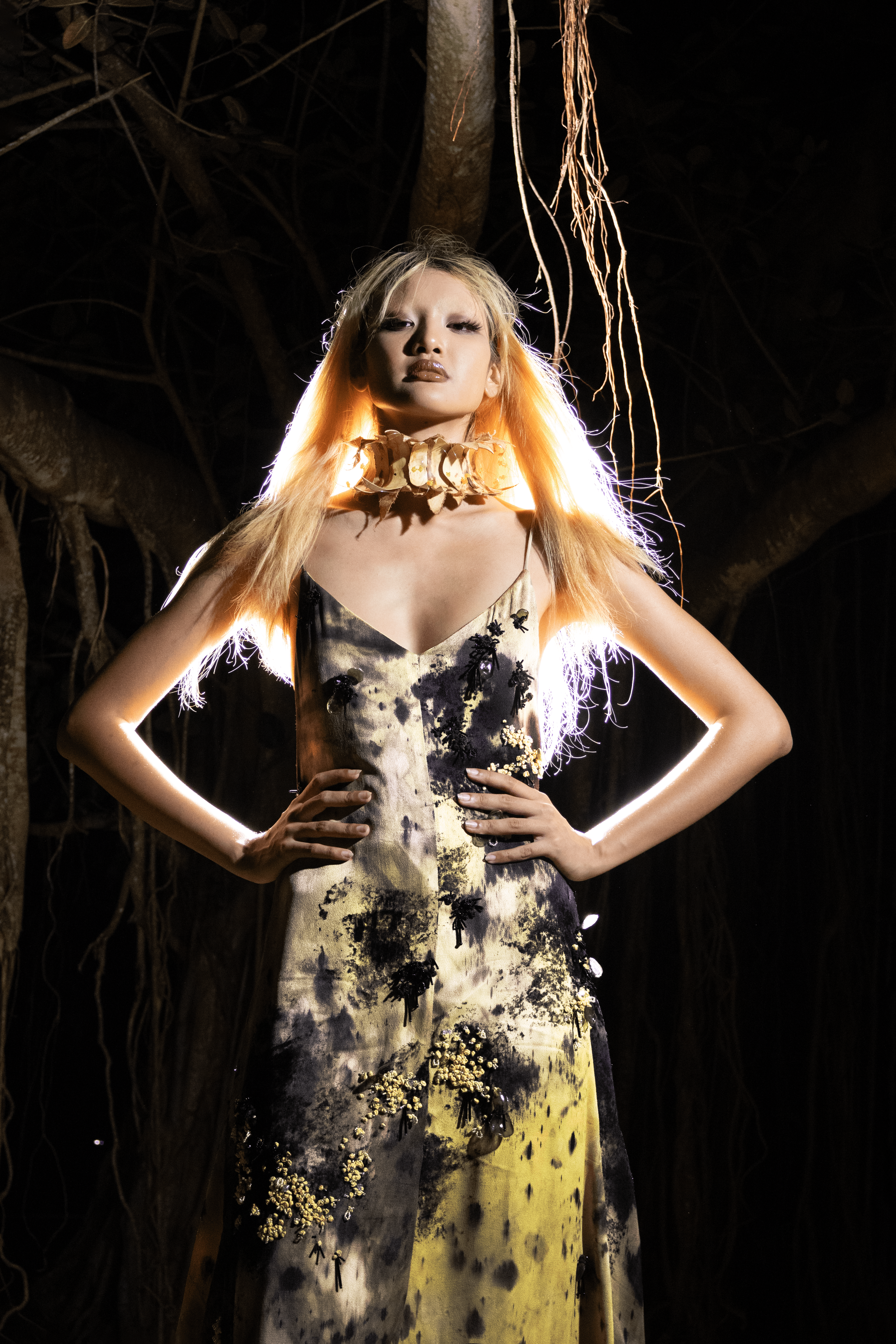
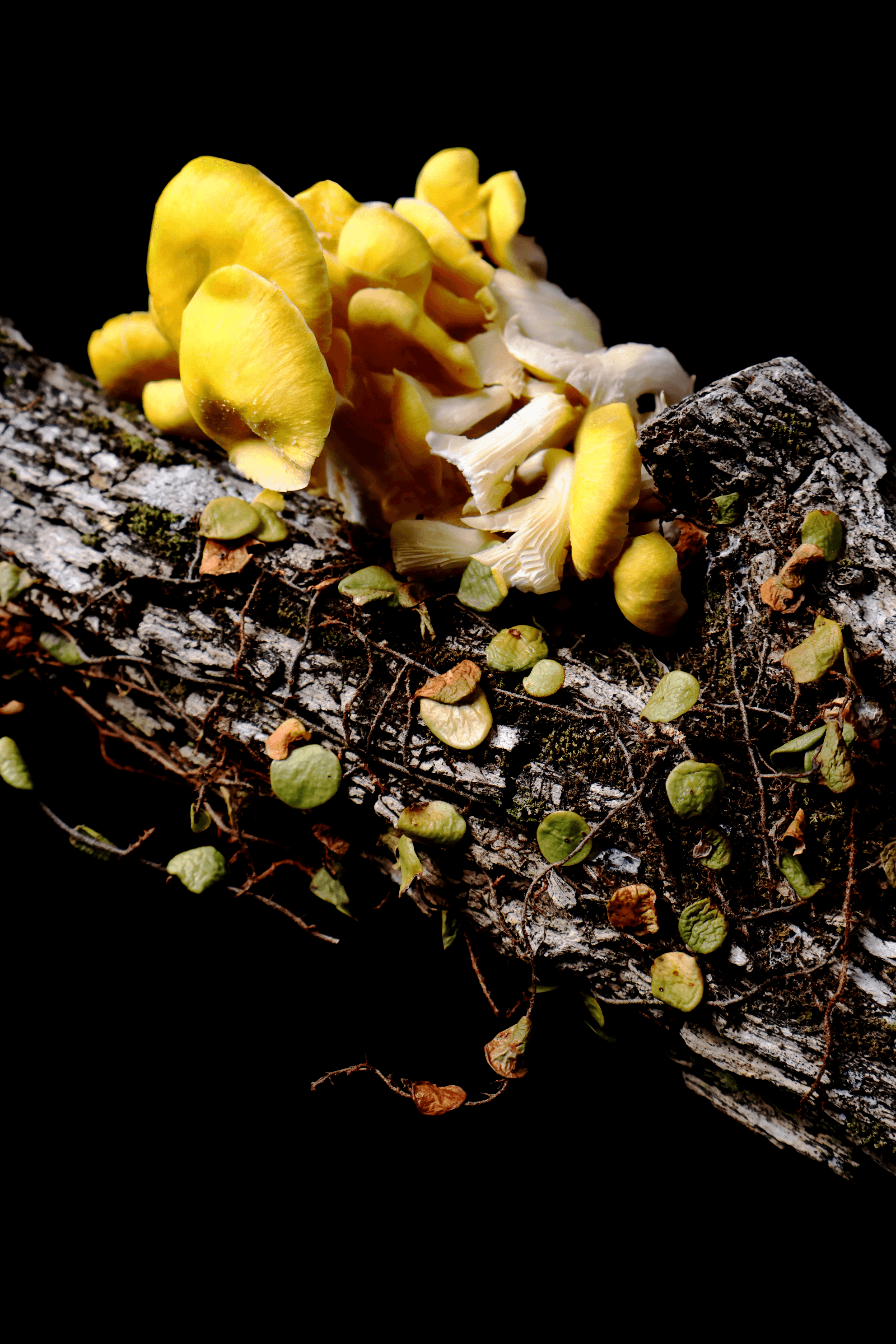
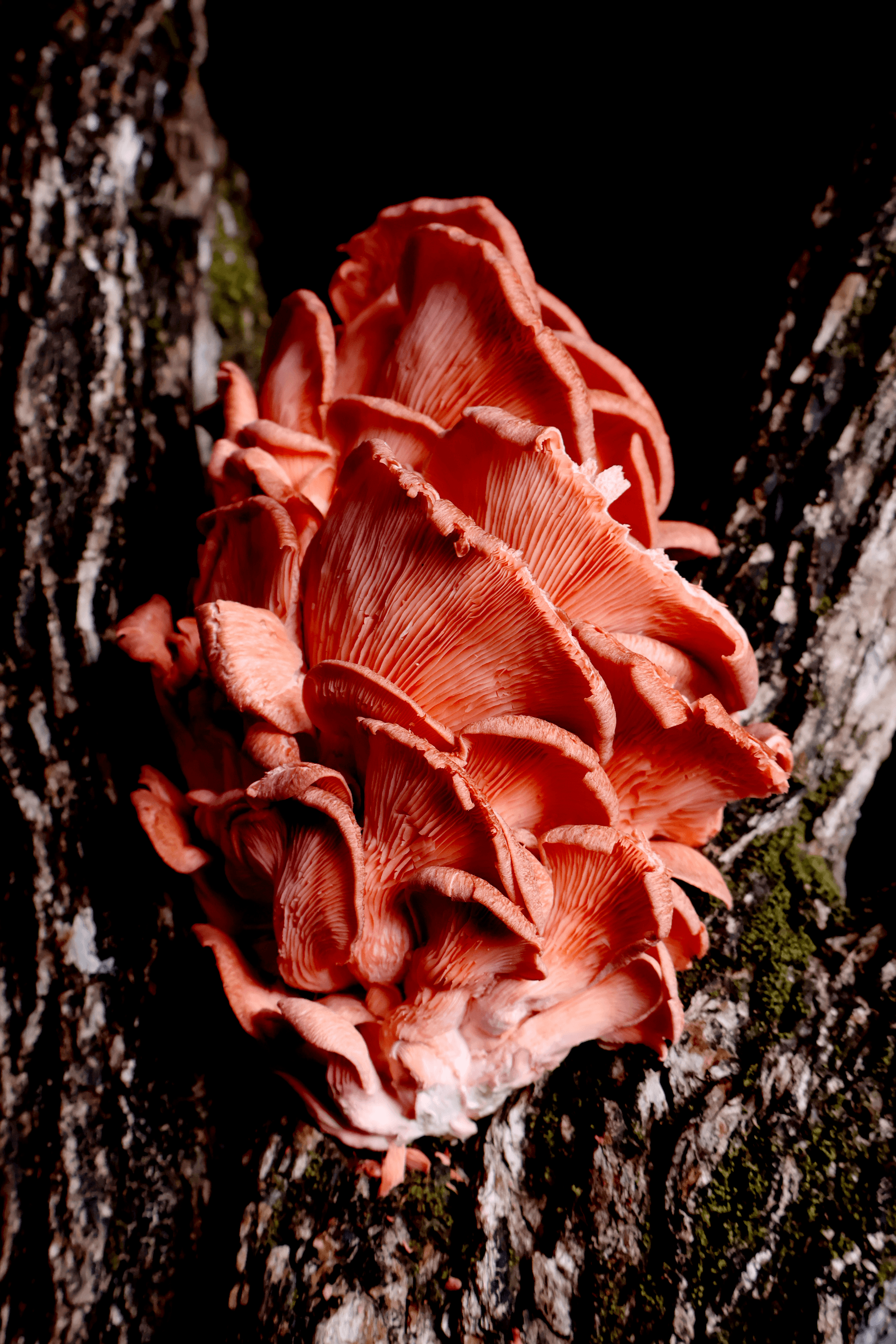
image courtesy of mycl
[8 October 2025] What does collaboration truly look like – both in nature and between humans? Mutualism at its core revolves around the act of sharing and uniting under the same purpose. In nature, an example can be seen in mushrooms – more specifically the mycelium networks that connect them to trees and other plants from underground. For the people at MYCL, that same interaction inspired not just the name of their startup but the way their system was built as well.
angie
I know some of the founders actually studied architecture in university. Was that when your interest in the environment began, or did it come earlier?
aldi
Yeah so the interest on the environment started from our study, began during our college years, but it was merely just on the surface level. In my final year, I actually started working as an architect, focusing in Jakarta, in an office in Jakarta which focuses on architecture conservation. So even though the office is in Jakarta, I usually get thrown around a lot, to remote areas, like Sumbang, to just work with the local community there. So I learned a lot about traditional architecture, and then how the architecture connects to the environment, to the social environment, to the social context itself, which is really rich during the times. And actually, quite changed my mindset.
Then afterwards, after two years in Indonesia, in remote areas, I actually went to Singapore. It's mostly like urban areas, architecture, which doesn't really impact a lot. Like after, after being in remote areas, real conversation with all of those communities. And then afterwards, we just got more into sustainability and saw sustainability as not a trend, but a necessity itself. It's necessary to switch to sustainable and then and then more into sustainability. Sustainability is not just merit, environment or social. It's actually about keeping the balance between people, planet and profits, and that's what we've been focusing on since.
angie
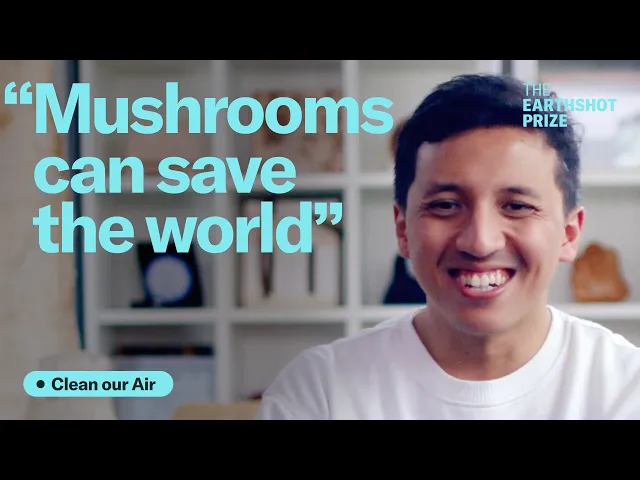
In MYCL’s Earth Shot Prize video, you were talking about how it was started because you noticed a problem with palm oil production in Indonesia, about air pollution. And then you mentioned tempeh being your inspiration. Was there something unique about mycelium in Indonesia that made you feel like it was the right material to start with?
aldi
Yeah, so I agree, we started off thinking about the potential of Indonesia itself being agricultural. We are an agricultural country. We have so many, we have such great climates, right? We have really fertile soil as well. So that's why, I thought making a product out of agri business or agriculture will be interesting. And then, however, I'm not really good at growing things, so that's why, we have to find organisms that even I can actually grow. And mushroom is actually one of them, because it's really adaptive. So we came up with Mylea. Our first product is actually a DIY mushroom kit called a grow box, and then afterwards we keep we actually got profits out of selling grow boxes, and then put it back to research and development, and then came up with the materials.
angie
When you first started, what was harder – convincing people to actually believe in, mycelium or like solving technical issues, which is like standardizing quality?
aldi
Technical issues because, like, the engine of innovation, we call it, it's always a triple helix, right? Like in Singapore as well, you find that between academics, business and government, they are all intertwined. Yeah, the academics are focusing on the RnD, accelerate explorations, and then doing research and development, and then business is making sure about standardization, optimization, making business models, how to create impact on the society itself, like go to market strategy, et cetera. And then the government actually supports them by creating those policies to create subsidies, and then turn those people to get into a more savvy technology, sustainable technology. Right in Indonesia, we don't have those, so we actually do all of those ourselves, above us, by ourselves. It's really cost, resource intensive, which is hard. That's why, like in MYCL, one of our main core values is actually collaboration, because we believe that we cannot do this alone. So if there are any opportunities to develop products, if there is an opportunity to develop, like research and development towards more advanced materials, to make the product more standardised. We always took those chances, so that's what we’ve been doing.
angie
MYCL has collaborated with quite a lot of people and across a lot of fields, like from fashion to architecture, even I saw your Seoul Biennale. This openness towards collaboration, where does it stem from?
So basically, when we designed our company values, we decided that we just become mycelium.
aldi
aldi
So as you might know, like the mycelium characteristic itself is collaboration. So Mycelium is the internet of plants as well. That's what makes the difference between a garden and a forest. For example, in the forest, they have this mycelium that can connect those trees, like all of those plants, so they can actually interact with each other, creating an ecosystem, not just a plantation.
And mycelium is actually those who connect them, and that's what we want to become. We actually want to become the mycelium of the industry by connecting the market, the brands, the retailers, etc, and our product becoming those bridges to collaborate, yeah, so our company values are actually humble, but essential. We try, like mycelium, we are going under the ground. So whenever we are doing collaborations, we always push our collaborators up front. For example, Seoul Architecture Biennale, the designer is anomalia. So we push them up front. We have, like, Popsiklus, creating the products itself. Lots of other brands. We're always pushing them forward, and we are really grateful for them, because if they succeed, then we are successful. It's a mutualistic relationship, yeah. What a bridge, right?
angie
Because I think cultivating that material, it depends on the environment, right? So when I guess, like coming back to when you first started, the idea of continuous research and development, has it continued until today, like the Mylea that you started with, is it continuously changing?
aldi
Yes. So basically MYCL is actually we position ourselves not as a manufacturing company, but as an innovation company. So our key activity is actually research. However, like to even like, we always tell our current factory. We call it the demonstration plan, yeah, so later on, when we increase the facilities, we actually can help like, if everyone, if anyone, wants to become like, our production partner, it becomes an academy. We call it MYCL Academy, so people can come learn how to make it and then become our production partner. That's what we want to do.
angie
In a larger scope, like Southeast Asia. Because MYCL originated from the fact that you found problems within the region, do you think Southeast Asia can play in leading the environmental movement globally?
aldi
Definitely, Southeast Asia will be, I think our main base of production because of the agricultural sectors itself, like Vietnam, Indonesia, Philippines, Malaysia, we have so much waste which becomes like our main resources on making the materials. And different types of waste as well. So we do not need to be afraid to run out of raw material. So that's what that has been our plan since day one. However, we actually have a factory in Japan as well. However, we just want to prove that these materials can also be grown in subtropical climates as well, so it doesn't matter, the climate.
angie
Do you think ever since you’ve started working with mycelium and all these materials, it taught you something about how you live your own daily life? Like, has it changed?
aldi
For sure, for sure. So I think being in a sustainable business, we actually have different types of purpose, like a conventional business, because we are aiming for profit, for sure, but we need to make sure that sustainability is all about moderation. It's not about excessive production. It's not about excessive consumption. It's all about sharing the wealth. I think the definition of success is actually the one that really changed for us. I think success is if we can create more wealth to people around us, and then to give a good impact to not only to the society and then the economy, but also to the environment as well. So it's all about balance and moderation. We got so many things that I think money will be too expensive for. Like, for example, we have a factory in Japan without spending a cent, and I'm currently living in Japan, we have a lab in Melbourne right now, and that came true, just because we have a purpose in business.

INTERVIEW
"Sustainability is not just about merit, environment, or social. It's actually about keeping the balance between people, planet, and profit."
When the question for solution strikes, where do we go? Here NEO learns more from Mycotech Lab (MYCL) and their continuous pursuit for helping others and striving for success together.
[01] background
[2] problem analysis
What happens when mutualism takes form above ground – in human systems? What does the exchange look like?


[03] visual sequence gallery