2°
Crevice
But where does parasitism stem from? Perhaps, it starts from our simple acts of complacence. A relationship where one is unharmed can easily turn the other way without restraint and control. Where do you sit in this balance?
The Gen Z Creator Who Is Reigniting Indonesia's Food Biodiversity Scene
Words BY ANGELINE MULIA
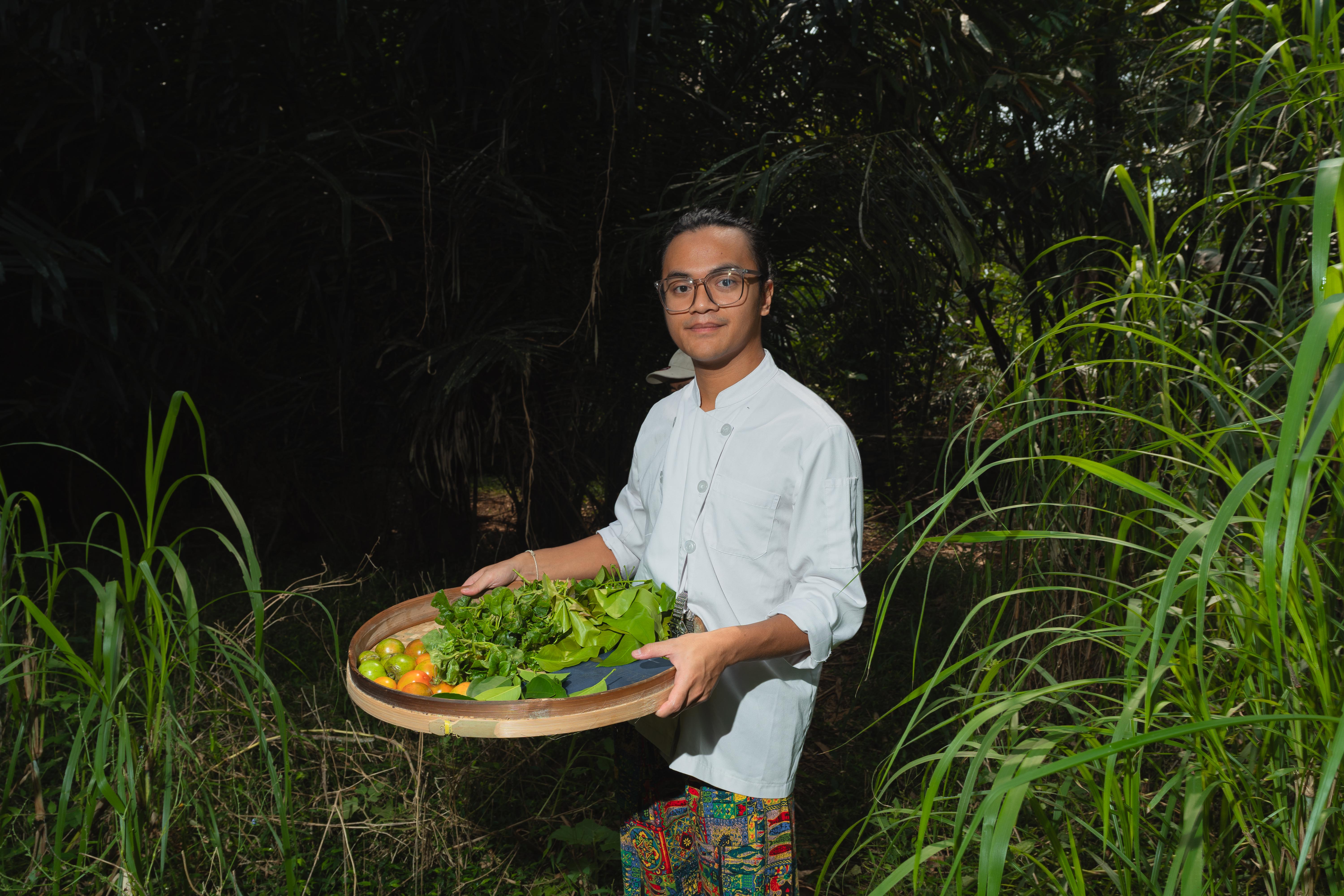
image courtesy of tamtam
[1 January 2026] In a calm start to the new year, NEO's editor Angeline Mulia begins to rethink the way her approach to food has shifted in previous months. Within her daily algorithm, there was one creator who has fondly contributed to giving a new perspective. Going under the nickname Tamtam, Pratama Nugraha has gone to approach the food creator scene in a different way than most – snappy recipe videos highlighting lesser known local ingredients to Indonesia spoken completely in English. As he chats with Angie in a casual online setting, his journey begs the question: what does our relationship with food show about how we treat our environment?
angie
At the start of your career, you specialised in French pastry and then you switched to local Indonesian cuisine, which is quite a shift. What made you decide to change your focus?
tamtam
It was because of climate change, actually. I was concerned about our climate and our future. So around 2020, I was among the Extinction Rebellion, protesting and after a year of unemployment due to the pandemic, I got my first job at Jakarta Vegan Guide. They're the ones who taught me about content creation. I knew that if I were to make an impact, I would have to do it in food; that's my role in this climate change crisis. My job was mainly to veganize every Indonesian food, but I realized the dishes most valuable to me are the ones originally vegan. I think veganism is a good vessel to diversify our plate and preserve our biodiversity. Everyone who is into local gastronomy will eventually realize that Indonesia's strength is in food biodiversity, because we are really mega-diverse.
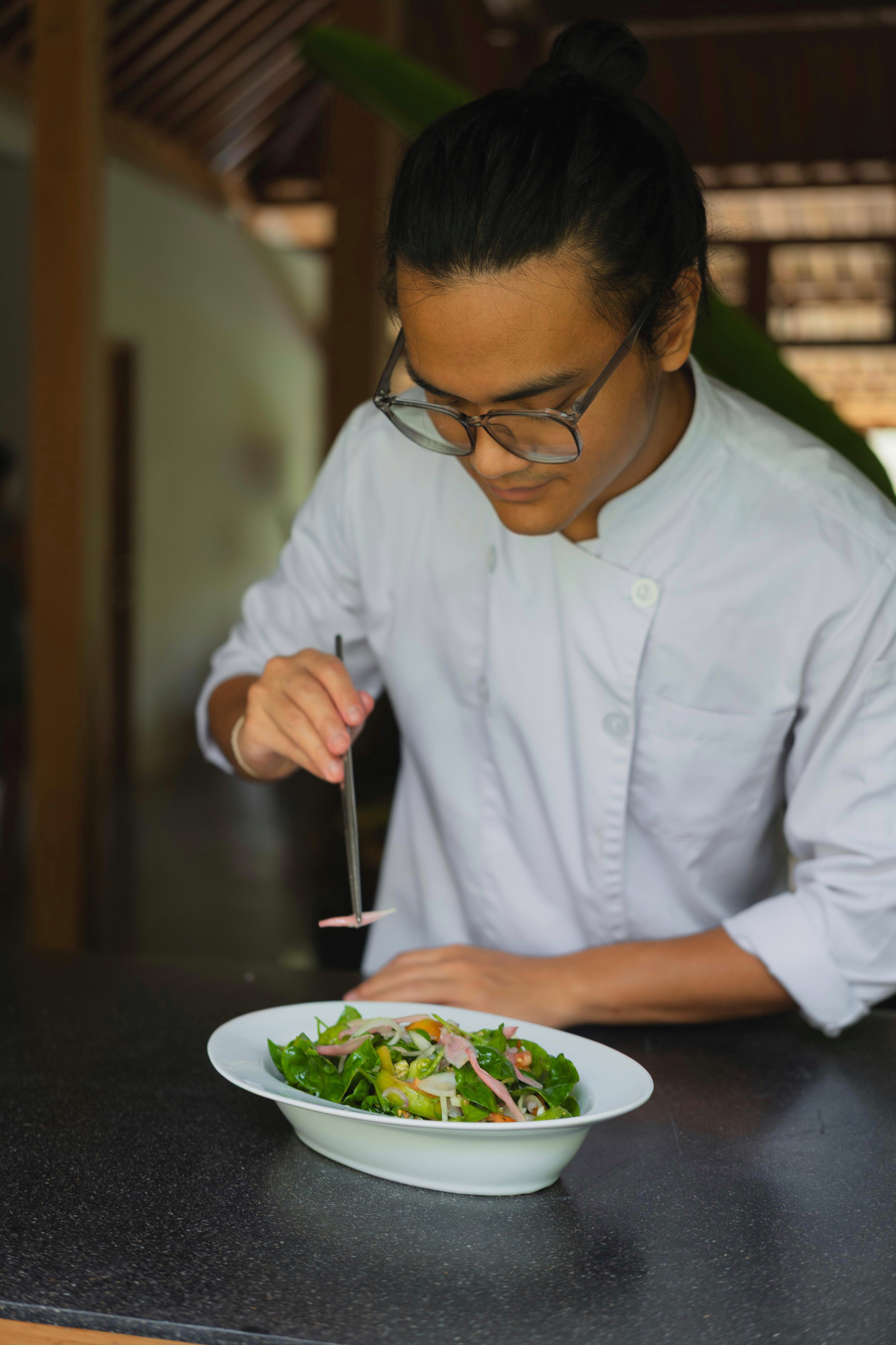
image courtesy of tamtam
angie
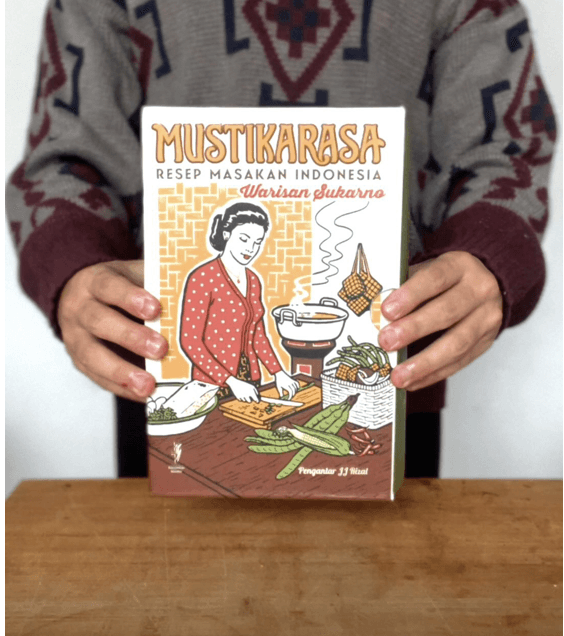
In your episode in MaknaTalks, you mentioned Mustikarasa as one of the most important cookbooks we have. There is this idea of berdiri di atas kaki sendiri (standing on your own two feet) which resonates with your approach to fronting lesser-known ingredients.
How did you discover the want to not only lift up our produce, but educate people about it as well?
tamtam
I realised my own role as a Gen Z. I think it’s a great statement that this one Gen Z—who happens to be part of the LGBT community —is trying as much as he can to preserve our culture and our biodiversity. I think I'm quite privileged enough to be aware of that role. It’s like as if I'm saying, "Look at this. My own country doesn't even accept me, and yet I'm doing things for it." I think it's a powerful statement. That's pretty much my super honest answer.
angie
All of your videos are spoken in English, which is intended to reach a global audience. Was there a specific reason why? I feel like one of the ways to engage the local audience is to actually drag a global audience to it first.
tamtam
I do think my role is also for the international stage. It’s a bit superstitious but I can speak English very clearly; it comes so naturally, not from my educational background or upbringing, it's like it’s within me. It’s meant to be something. We are lacking English-speaking food content creators in Indonesia. The hardest part is to engage the international audience, and knowing that I have the skill, let me just take it, you know? Making the local audience realize that our culture is really appreciated a lot somewhere else can make them think it’s important.
angie
Food scarcity and imbalance in Indonesia is because of a focus on a single source of food, like rice. Why do you think our country depends so much on it
Veganism is a good vessel for us to diversify our plate and preserve our biodiversity.
tamtam
tamtam
I do think classism is one of the biggest reasons for it. Rice is seemingly like the more proper carbohydrate, especially for a higher class; it seems like a luxurious and proper food. It was our government's play back in the days, and there is no locals' role in it.
angie
Recently I went to Jogja and tried Sate Kere, which means "poor." Why do you think so many iconic Indonesian dishes carry names tied to poverty? What does it reflect about our history with food and class?
tamtam
It all came from colonization. The fact that we are saying things are "poor" is because we were poor in the first place, and that word came because of colonialism. It’s all systemic. I think we need to embrace it at this point because it speaks a lot about our history. These are the ingredients that the people had back in the days; these are the things that we could only eat. The fact that we're embracing it now is a great statement. It's like Cơm Tấm (broken rice) in Vietnam; they only got the leftovers from the rice. And that’s my favorite food in Saigon.
angie
If you could give one advice or task to anyone reading right now when it comes to food and biodiversity, what would it be? It can be a food challenge for them to try.
tamtam
Discover one pre-colonialism food dish, recreate it, and publicize it.

INTERVIEW
"I think rice is very political, especially in Southeast Asia."
A casual chat with Indonesian food biodiversity creator Pratama Nugraha on his journey in reinventing the local food scene through engaging content.
[01] background
[2] problem analysis
What happens when humanity takes advantage of nature's abundance? Read more to find out how our commensalistic relationship with daily ingredients can determine their lifespan.


[03] visual sequence gallery